Introduction
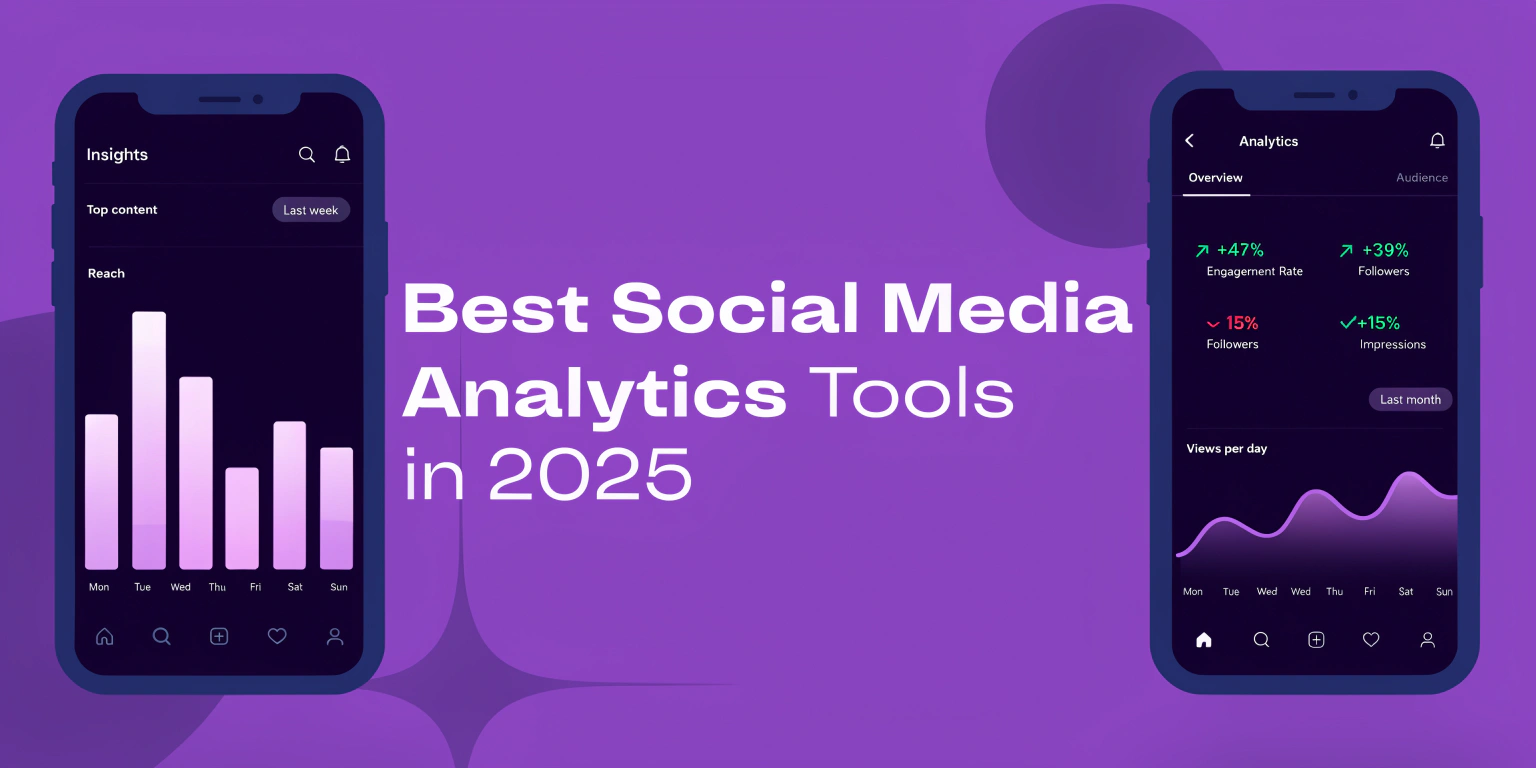
Understanding your social media performance is key to growth. Using the right social media analytics tools in 2025 helps beginners track engagement, measure success, and optimize their strategy. With increasing competition and algorithm changes, analytics tools are essential for data-driven decisions.
This guide covers the best analytics tools for Instagram, TikTok, X (Twitter), and LinkedIn, explaining how each tool works and what metrics to track. You’ll also learn practical ways to integrate analytics into your content strategy, avoid common mistakes, and use AI tools to save time. By the end, even beginners can make informed decisions to improve reach, engagement, and growth across all platforms.
Why Analytics Tools Are Essential
Track follower growth and engagement
Understand audience behavior
Identify top-performing content
Optimize posting schedule and content strategy
https://www.youtube.com/watch?
Internal Link:
See Social Media Growth Strategies for practical application.
Tool 1 – Instagram Insights
Track likes, comments, shares, and saves
Monitor follower demographics and activity
Identify best posting times
Tool 2 – TikTok Analytics
Analyze video views, watch time, and engagement rate
Track trending content in your niche
Monitor follower growth
Tip: Access TikTok Analytics via a Pro Account.
Tool 3 – X (Twitter) Analytics
Track impressions, engagement, and link clicks
Analyze tweet performance
Identify trending topics for content ideas
Tool 4 – LinkedIn Analytics
Monitor post views, clicks, and shares
Track professional audience demographics
Measure content performance for B2B growth
Tool 5 – Hootsuite Analytics
All-in-one analytics dashboard for multiple platforms
Customizable reports for engagement and growth
Compare performance across channels
Tool 6 – Sprout Social
Detailed performance metrics and reporting
Audience insights for better targeting
Track content, campaigns, and hashtags
Step 1 – Set Key Metrics
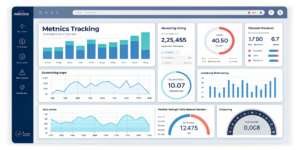
Engagement rate (likes, comments, shares)
Follower growth rate
Click-through rate (CTR)
Top-performing posts
Step 2 – Analyze & Adjust Strategy
Identify patterns in high-performing content
Adjust posting times and frequency
Test content formats and messaging based on analytics
External Reference:
Use platform-specific guides like Instagram Help Center, TikTok Analytics Guide, and LinkedIn Analytics Tutorials.
Common Mistakes Beginners Make
Ignoring analytics completely
Focusing only on vanity metrics (likes/followers)
Not acting on data insights
Overcomplicating reports with too many metrics
Real-World Example: Analytics-Driven Growth
Mini Case Study:
A small business used Instagram Insights and Hootsuite Analytics to track engagement and optimize content. They discovered that carousel posts got 3x more saves than single images. Adjusting their content strategy led to a 250% increase in engagement in 2 months.
FAQs
Q2: Can analytics tools help increase engagement?
Yes, tracking data allows you to optimize content, posting times, and formats for better engagement.
Q3: How often should I check analytics?
Weekly reviews are recommended for beginners, with deeper monthly analysis for trends and strategy adjustments.
Q4: Do AI tools assist with analytics interpretation?</strong
Yes, AI tools can generate insights, visualize data, and provide actionable recommendations.
Q5: What metrics should beginners focus on first?
Engagement rate, follower growth, top-performing content, and click-through rates are the most actionable metrics.
Internal Links Used
Social Media Marketing Tips
External Links (High Authority)
Instagram Help Center
TikTok Analytics Guide
LinkedIn Analytics Tutorials